Big Ideas Start Small:
Third Graders Bring Design Thinking to the ECC
What can a preschooler teach a third grader about problem solving? Through a cross divisional design challenge, third graders at Carrollwood Day School are putting the IB curriculum into action, learning to listen, think creatively, and develop meaningful solutions for their youngest fellow Patriots.
Discover how collaboration across divisions turns curiosity into purposeful learning.
What makes you happy at school?
What do you wish you had at school?
What could make school better?
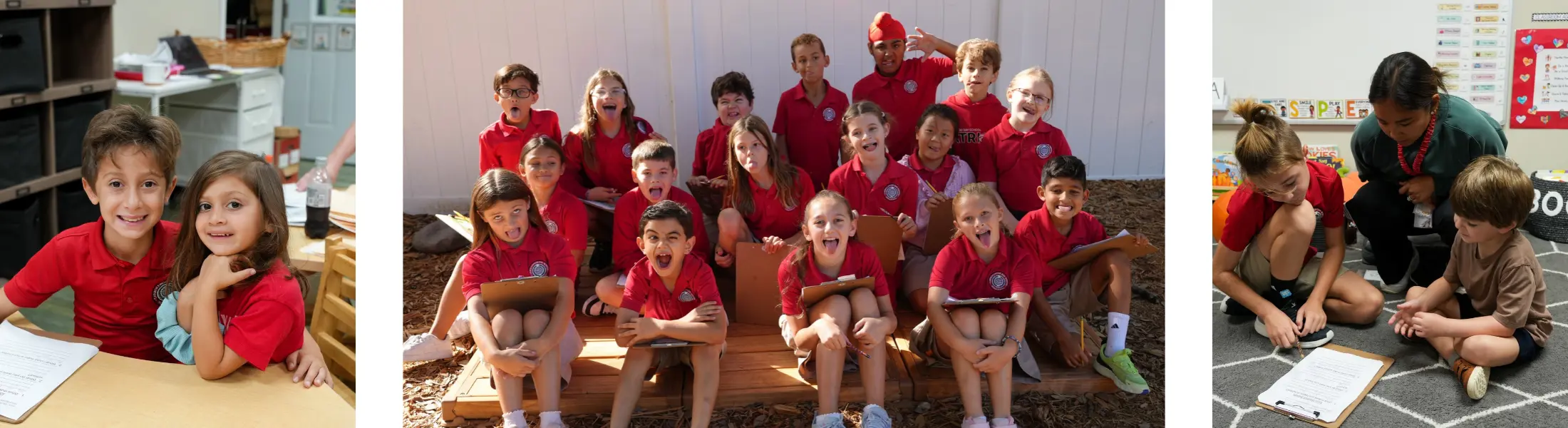
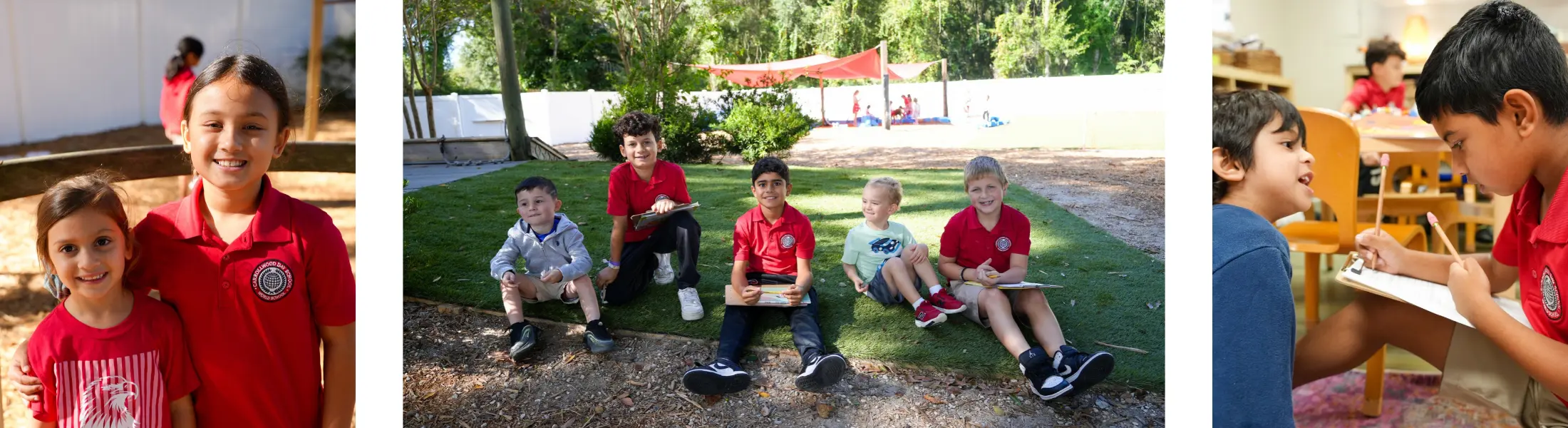
These are big questions for our youngest learners, but during a recent visit to the Early Childhood Campus (ECC), our third graders approached them with genuine curiosity and purpose. Sitting alongside PreK 3 and PreK 4 students, they listened to their ideas, asked follow up questions, and encouraged their younger peers to think about what they love about school and what could make their experience even better.
This is more than your standard textbook classroom activity. It is the beginning of a six week, cross divisional design challenge that brings the IB curriculum to life, connecting learning across divisions and empowering students to make a meaningful difference in their community.
Learning Through the IB Lens
At Carrollwood Day School, the IB curriculum encourages students to move beyond simply learning information. They are challenged to ask questions, think critically, consider different perspectives, and apply their knowledge to real world situations. The ECC Design Challenge puts those skills into practice. As part of a project fully embedded in the third grade curriculum, students are working through the five stages of the Design Thinking Framework: Empathize, Define, Ideate, Prototype, and Test. Their task is to identify a real challenge facing the ECC community and develop a creative, functional solution.
The process begins with empathy. Rather than assuming they know what would make the ECC experience better, third graders are gathering information directly from the people who know it best: the children who spend their days there. Through on site observations and conversations with PreK 3 and PreK 4 students, they are learning to look beyond their own experiences and consider the needs, ideas, and perspectives of others.
It was wonderful to see this process unfold in person. The questions encouraged our youngest learners to reflect on what they love about school, what they might be missing, and what could make their days even better. But the visit was about more than gathering information. The students also spent time reading their favorite books together, drawing pictures, and getting to know one another. These simple moments helped build relationships and create a sense of connection that made the collaboration even more meaningful.
At the same time, the third graders were learning that good problem solving starts with listening, not jumping straight to an answer. By taking the time to connect with their younger peers, they were better able to understand their experiences and consider the world from a different perspective. That distinction is important. Before students can design an effective solution, they must first understand the people they are designing it for.
From Curiosity to Creative Solutions
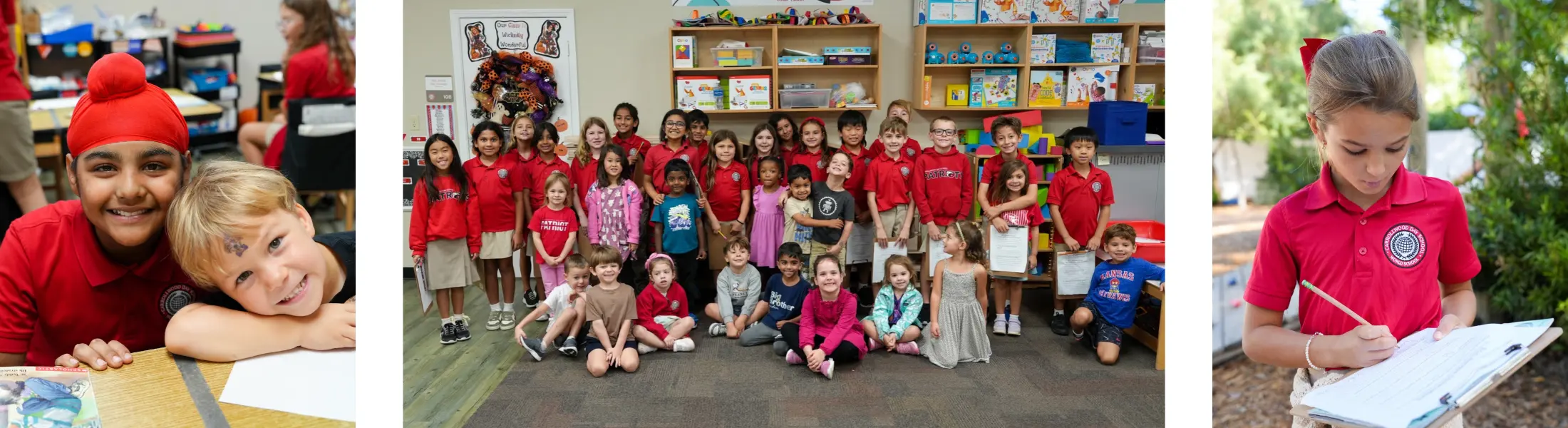
Once the third graders have gathered their observations and insights, they will define the challenge, brainstorm possible solutions, and begin creating prototypes in the classroom. They will then test their ideas, evaluate how well their designs work, and make adjustments along the way. This process gives students the opportunity to put several important IB approaches to learning into action, including research, communication, critical thinking, and collaboration. It also reinforces the importance of being open minded, reflective, and willing to learn from a solution that may not work the first time.
Just as importantly, students are discovering that learning is not always about finding one correct answer. Sometimes it means asking a better question, reconsidering an assumption, or trying a completely different approach. By working through an authentic challenge with a real audience in mind, students can see how the knowledge and skills they develop in the classroom translate into meaningful action. Their ideas have a purpose beyond completing an assignment. They have the potential to make a difference in the daily lives of their fellow Patriots.
The children’s answers offered a glimpse into what matters most to them. Playing with friends could inspire ideas for new opportunities to connect and collaborate, while a request for more books in Spanish could lead to a more diverse, multilingual classroom library. And the hope of having Mom or Dad visit school could spark creative ways to bring families into the ECC experience. Each response gave the third graders a starting point, helping them turn the perspectives of their younger peers into possibilities worth exploring.
One CDS Community, Many Perspectives
Perhaps one of the most meaningful aspects of this project is the collaboration happening across divisions. Our third graders and ECC students are at very different stages of their educational journeys, but each group brings something valuable to the experience. The younger children offer an authentic perspective on their school environment, while the older students practice listening, interpreting information, and turning ideas into thoughtful solutions. These interactions also help strengthen the connections that make CDS a community. Students begin to see that learning does not happen in isolation and that the needs and experiences of one division can inform the work of another.
Cross divisional collaboration creates opportunities for students to learn with and from one another, building relationships while reinforcing the idea that we all have a role to play in improving our shared environment. It also reflects the spirit of an IB education, where inquiry and learning extend beyond classroom walls and students are encouraged to take action based on what they discover.
Preparing Students to Make a Difference
Watching this project in action was a reminder that some of the most powerful learning experiences begin with a simple question and a genuine desire to understand someone else. For our third graders, the ECC Design Challenge is an opportunity to practice the skills of thoughtful problem solvers and compassionate community members. For our youngest learners, it is a chance to have their voices heard and contribute ideas that may help shape their school experience.
And for our CDS community, it is a wonderful example of what becomes possible when students, divisions, and ideas come together with a shared purpose.
At CDS, we believe education should do more than prepare students for what comes next. It should empower them to recognize opportunities, approach challenges with creativity and empathy, and use what they learn to make the world around them better. Sometimes, that work begins with a third grader sitting beside a preschooler, asking a question, and truly listening to the answer.
Stay tuned as our third graders move into the next stages of the design thinking process, turning what they learned through empathy into creative ideas and meaningful solutions for the ECC community.
Click to learn more about IB at CDS, and why the IB journey across divisions at CDS is so special .