Aim True:
What Patriot Spark Taught Us About the Stoic Archer
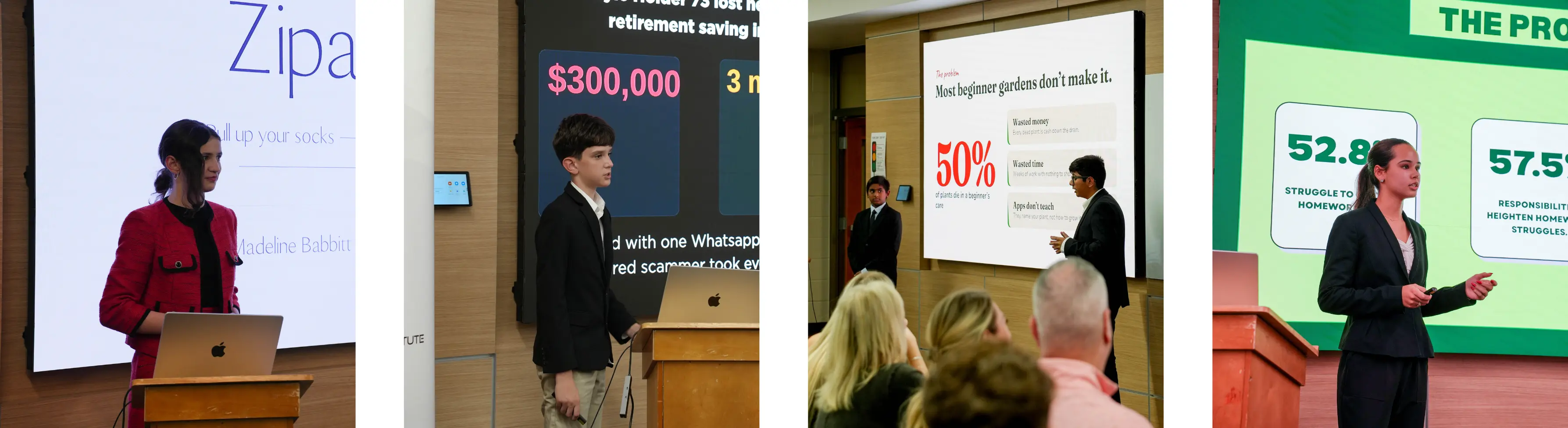
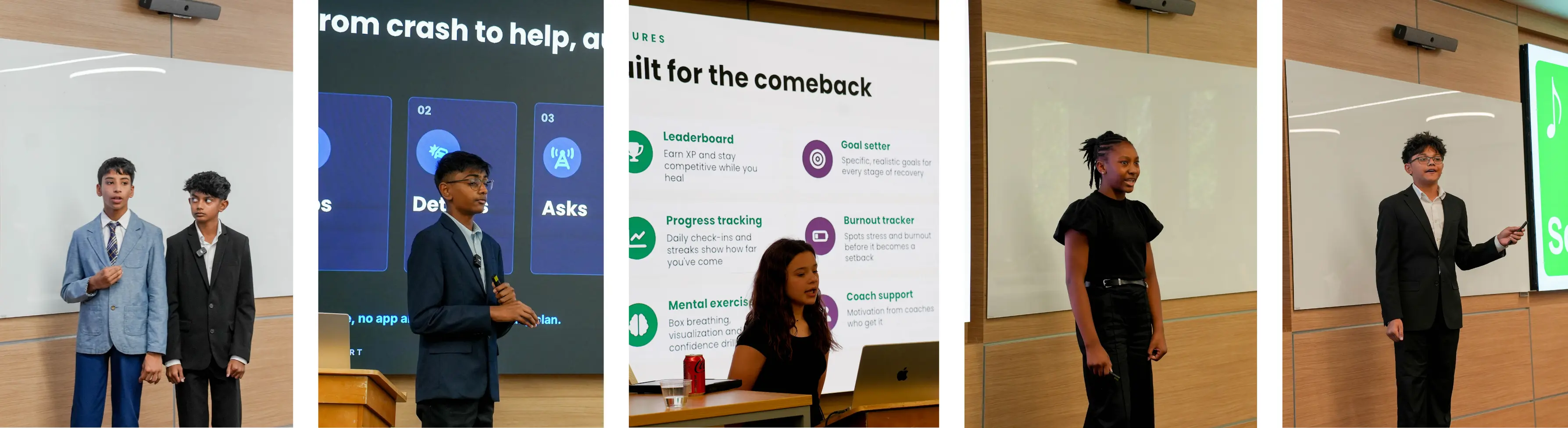
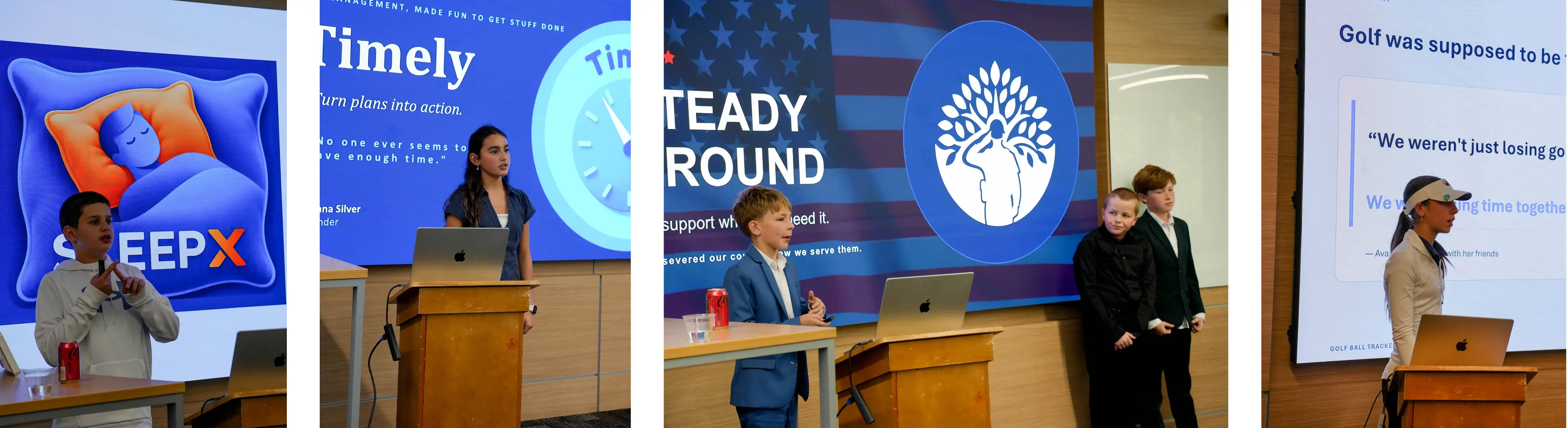
Patriot Spark is an eight-week entrepreneurial incubator designed to help Middle School students at Carrollwood Day School take their ideas beyond the brainstorming stage and turn them into meaningful solutions. Building on the success of the Upper School Patriot Pitch and Design Sprint programs, Patriot Spark introduces younger students to the innovation process through a unique by students, for students mentorship model. Participants work alongside Upper School student leaders as they identify challenges in their communities, develop creative solutions, build prototypes, and prepare to pitch their ideas. In this blog, our Director of Entrepreneurship shares his perspective on the experience, offering a closer look at what students worked through, the challenges they encountered, and how their ideas evolved throughout the program.
By Brendan Brennan
Director of Entrepreneurship
Carrollwood Day School
Seven days. That's how long it took.
On the first day of Patriot Spark bootcamp, some of our students were shaking when they got up to pitch. I mean actually shaking: notecards trembling, voices climbing at the end of every sentence, eyes anywhere but the audience.
A week later, those same kids walked onto the finals stage and pitched to a panel of judges like they owned the room. I've been trying to figure out how to explain what happened in between, and the best explanation I have comes from a two-thousand-year-old conversation about archery.
The archer who doesn't chase the bullseye
In Cicero's On Ends, Cato the Younger uses the example of an archer. The archer's job, as Cato sees it, is to do everything she can to aim straight. Actually hitting the target is, in his words, something "to be chosen, but not to be sought." That distinction is worth slowing down on. Choosing a target means committing to it. You pick it deliberately and let it shape how you prepare. Seeking it is something else. When you seek the target, your sense of whether you did well depends entirely on where the arrow lands. That kind of pressure makes you grasp, and grasping makes you flinch at exactly the wrong moment. The archer who seeks the bullseye stares at the target. The archer who chose it pays attention to her form.
The Stoics called this the dichotomy of control: some things are up to us, and most things aren't. Before the arrow leaves the bow, the archer controls almost everything that matters, from her stance and grip to her breathing and the years of practice behind the shot. After she lets go, she controls nothing. The wind gusts, the target moves, the string snaps.
Starting a business works the same way. You control the research, the problem you pick, the prototype, and the pitch. You don't control whether the economy sours, whether customers buy, or whether investors invest.
So the archer's purpose isn't to hit the target. It's to aim true. A good archer is the one who put in the work to aim true and then let the arrow go. Whether it hits on a given day is partly up to the wind.
Everything else is wind
Every competition is loud. The judges are scoring you on cards you can't see. Somebody at the next table is telling everyone his idea is going to win. And there's usually a critic, either in the room or in your own head, telling you yours won't.
None of that is in your hands, and paying attention to it mostly pulls your focus off the work. The judges' cards are wind. So are the braggarts and the critics. Wind is real, and it affects where the arrow ends up, but an archer who spends her time worrying about it isn't paying attention to her form. For an entrepreneur, the job is to block out what you can't control and keep coming back to what you can, which is usually just the next rep.
Why we closed the doors
We kept the bootcamps and semifinals of Patriot Spark closed to the public for a reason, and it wasn't secrecy. The students needed room to tinker, to practice, and most of all to fail without an audience watching. A rough pitch in a closed room isn't a verdict. It's just something to fix before the next one.
But repetition alone isn't enough. An archer who shoots a thousand arrows with sloppy form just gets very good at sloppy form. Practice is repetition with attention.
So that's what the students did. Pitch, feedback, iterate. Pitch, feedback, iterate. Every round the problem statements got a little sharper, the demos a little tighter, and the voices a little steadier.
That process was the whole point. Yes, they were competing against their peers, but the competition that really mattered was with the version of themselves who had pitched the day before.
Courage comes after
Let's not lose sight of what these students did. None of them had done anything like this before. They found a problem they cared about, boldly built a solution, and then put it in front of strangers to be questioned, critiqued, and judged. Most adults never find the courage to do something that bold. These were middle schoolers.
We tend to think courage comes first, that you have to feel brave before you can do the hard thing. Patriot Spark showed me the reverse.
We often find the courage to do something only after it is done.
They all won
By finals, the kids who had been shaking a week earlier stood confidently on that stage. They spoke clearly, handled tough questions from the judges, and owned their ideas.
And they won. All of them.
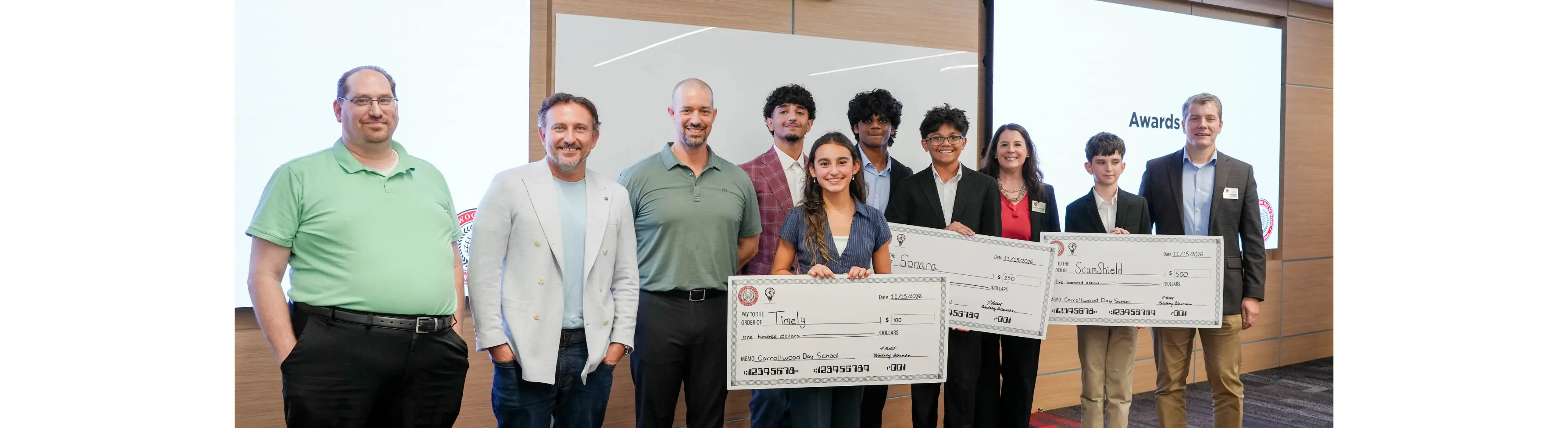
There was a scoreboard, and some teams placed higher than others. But once a student finished their pitch, the arrow had left the bow, and where it landed was up to the judges. Everything that was in their control, they did. They chose a target, put in the work, and aimed true.
To every Patriot Spark student: you aimed true. I can't wait to see what you choose to aim at next.
Stay tuned, The Patriot Spark experience doesn't end here. The top two Middle School teams will have another opportunity to put their ideas and entrepreneurial skills to the test as they advance to compete in the Upper School Patriot Pitch, taking their ideas to an even bigger stage. Read more about what they can expect HERE.
Read more about The Entrepreneurship Institute at Carrollwood Day School HERE.